Maximising Value When You Sell Your Car: Cash for Cars Options for Mazda Enthusiasts
There comes a point in every car owner's life when the vehicle you once loved becomes more trouble than it is worth. Maybe the engine has given up, the rust has taken hold, or you simply have no use for it any more. For owners of classic Mazdas, especially those with the unique rotary engine, the decision to let go can be bittersweet. But here is the good news: even a non-running or damaged car still holds real value. The "cash for cars" market offers a practical way to turn that old vehicle into money, and for rotary enthusiasts in Melbourne, the options are better than you might think.
Understanding the Value in Your Old Mazda
Before you call any service, it helps to know what your car is worth. A standard sedan that has reached the end of its life might only fetch scrap metal prices. But a Mazda RX-7 or Mazda RX-8, even in poor condition, can be worth significantly more because of demand for used car parts. The rotary engine is a rare beast. Unlike conventional piston engines, it has a unique design that only a handful of cars ever used. That makes every surviving component, from a complete engine core to a simple intake manifold, valuable to someone keeping their own rotary alive.
This is where a specialist car wrecker makes all the difference. A general scrap yard will weigh your car and offer you the going rate for steel. A wrecker that understands Mazdas, particularly rotary-powered models, will look at the whole vehicle differently. They know that a Mazda RX-3 with a blown engine might still have a good gearbox, a set of rare wheels, or the distinctive front bumper that someone else needs. The "cash for cars" model works best when the buyer actually knows what they are buying. So your first step is to find a buyer who recognises what you have.
What Actually Holds Value?
If you are thinking about selling your old Mazda, here are the parts that typically command the best prices in the auto recycling market:
- The rotary engine itself, even if seized or incomplete, because individual housings and rotors are hard to find.
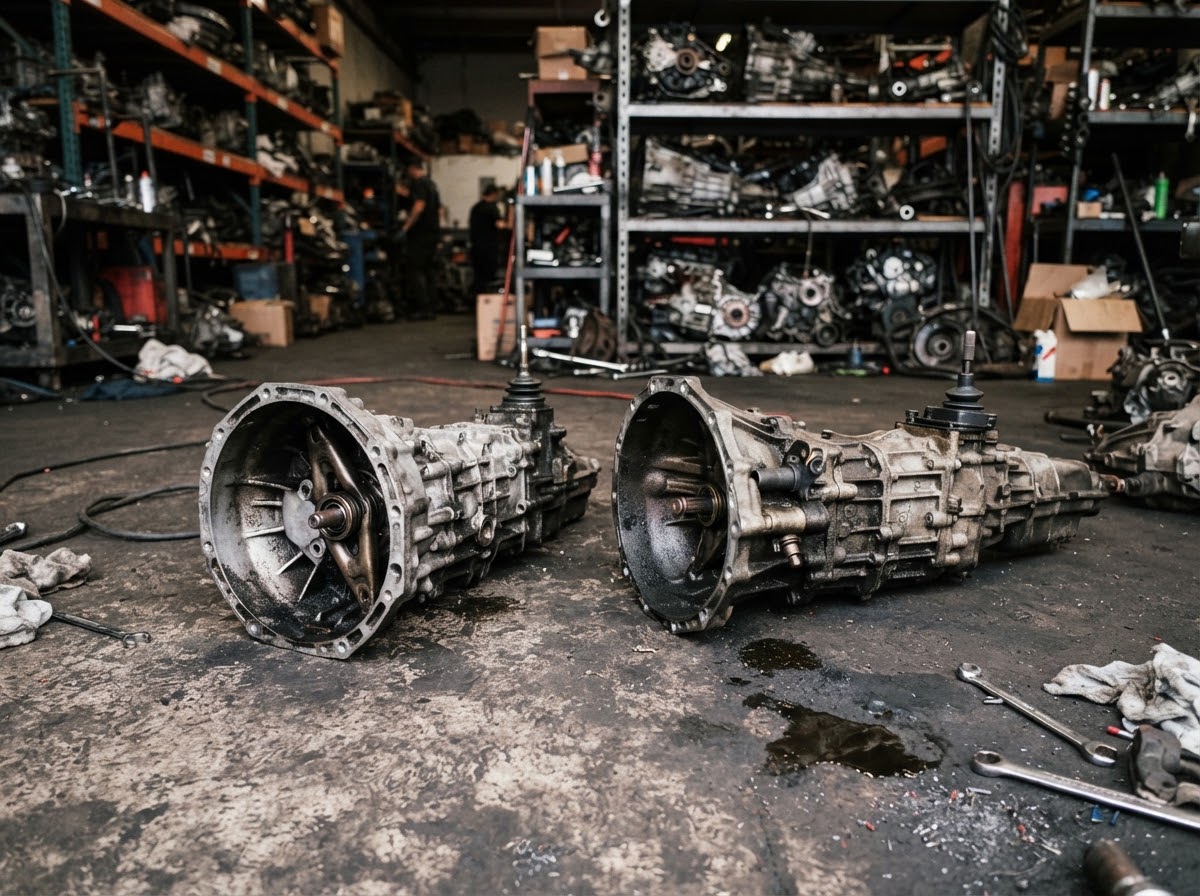
- Transmission and driveline components, especially for models like the Mazda RX-2 or Mazda 323 that share few parts with other cars.
- Body panels and glass that are specific to that model and no longer manufactured.
- ECU and wiring harnesses, which are often the first things to fail on older cars.
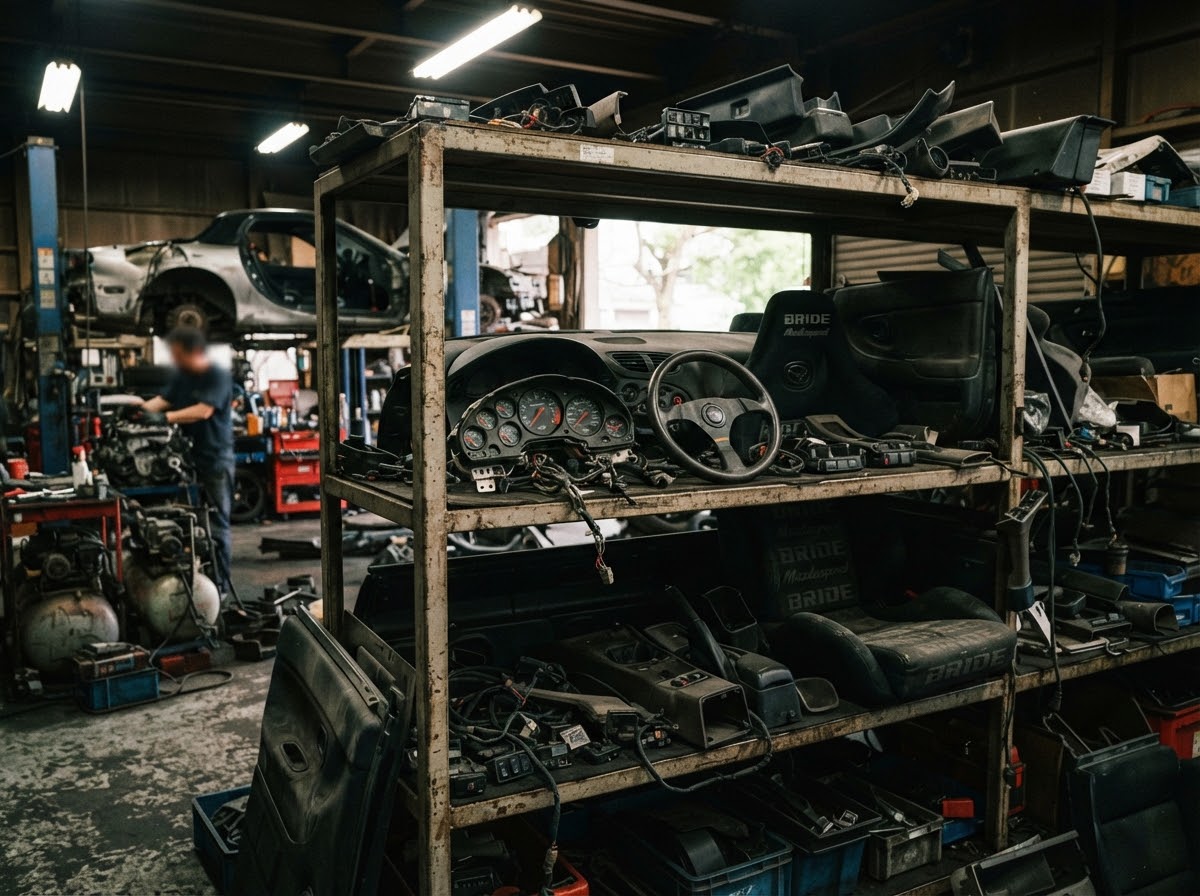
- Rare interior pieces, such as the unique dashboard from a Mazda Cosmo or the seats from an early RX-7.
Not everything is gold. Tyres, batteries, and worn-out suspension bushes are basically scrap. But the core of your car, especially anything related to the rotary engine, is likely worth more than you expect. A good wrecker will be honest about what has value and what does not. That is the kind of transparency you want in any "cash for cars" transaction.
Choosing Between General Wreckers and Specialists
You have two main routes when you want to sell a junk car. The first is a general car removal service. These companies will tow your car away, often for free, and give you a flat payment based on weight. It is straightforward and fast. The car disposal happens quickly, and you get cash in hand. The downside is that they do not sort parts. Your rare Mazda RX-2 ends up crushed with everything else, and the unique value of its components is lost.
The second route is a specialist wrecker who focuses on a specific brand or engine type. In Melbourne, there are wreckers who deal exclusively with Mazdas and the rotary engine. They will inspect your car, identify the valuable parts, and offer a price that reflects what they can resell. This process takes a bit longer, but the payout is usually higher. Some owners even find that their car is worth more as a complete vehicle to a wrecker than they could get selling parts individually on online forums. The specialist also handles the car removal and all the paperwork, so the effort on your side is the same.
The Environmental Angle
There is another reason to think carefully about how you dispose of your old car. Auto recycling has come a long way. A good wrecker will drain all fluids, remove hazardous materials like mercury switches and old refrigerants, and then process the remaining metal for scrap metal recycling. The reusable parts go back into the market as green auto parts, which reduces the demand for new manufacturing. So when you sell your car to a responsible recycler, you are not just clearing your driveway. You are contributing to a system that keeps usable components in circulation and cuts down on waste.
This matters especially for rotary engines. Because Mazda stopped producing new rotary engines for mainstream cars years ago, the only source of replacement parts is the existing fleet of cars. Every Mazda RX-7, RX-8, RX-3, or Mazda Cosmo that gets responsibly dismantled provides parts that keep other cars on the road. That is a form of recycling that goes beyond metal. It is about preserving a piece of automotive history.
What to Watch Out For
Not every "cash for cars" offer is a good deal. Some companies will quote you a price over the phone, then reduce it when they arrive, claiming the car is in worse condition than expected. To protect yourself, get a written quote based on photos or a physical inspection. Ask whether the price includes towing. Some services advertise free car removal but then deduct the towing cost from your payment. A reputable wrecker will be upfront about all charges.
Another thing to check is whether the company is licensed to handle vehicle disposal. In Australia, car wreckers must follow regulations around waste management and data security. You want to make sure your old car is not going to end up dumped or stripped illegally. A licensed operator will provide a certificate of destruction or a receipt that confirms the vehicle has been deregistered. That protects you from any future liability, such as someone using your old plates or selling the car without your knowledge.
Selling to a Private Buyer vs. a Wrecker
Some owners consider selling their junk car privately, perhaps to a hobbyist who wants a project. That can work if you have the time to list the car, deal with inquiries, and manage the transfer. But it also comes with risks. You have to handle the paperwork, arrange the towing if the car does not run, and deal with buyers who may waste your time. For most people, the convenience of selling directly to a wrecker outweighs the potential extra money from a private sale.
If you decide to go the private route, be realistic about the condition. A Mazda RX-8 with a seized rotary engine might be worth a few thousand dollars to someone who plans to rebuild it. But that same car to a general scrap yard might be worth only a few hundred. The key is finding the right buyer. That takes effort and patience. The "cash for cars" model through a wrecker is the shortcut: you trade a bit of potential upside for speed and certainty.
Practical Steps to Get the Best Price
If you have decided to sell, here is a simple process to follow:

- Gather the car's paperwork, including the title and any service records. A clear title simplifies the sale.
- Take clear photos of the car from all angles, including the interior and the engine bay. Send these to a few wreckers for quotes.
- Remove any personal belongings and valuable items that are not part of the car. The wrecker buys the vehicle, not your spare change or sunglasses.
- Drain any valuable fluids like coolant or oil if you can do it safely, but leave the rest to the professionals.
- Arrange for the car removal at a time that suits you. Most wreckers will tow the car within a few days.
Following these steps ensures you get a fair price and a smooth transaction. It also reduces the chance of any disputes after the sale.
Final Thoughts on Turning Your Old Car into Cash
Selling a junk car does not have to be a hassle. Whether you own a worn-out Mazda 323 that has finally given up or a classic Mazda RX-7 that needs more work than you can give it, there is a market for what you have. The "cash for cars" industry has matured to the point where you can get a fair price with minimal effort, especially if you find a buyer who understands the specific value of rotary engine cars and Mazda parts. In Melbourne, the presence of specialist wreckers means your old car has a good chance of living on in some form, rather than just becoming another block of scrap metal. That is a satisfying outcome for any car enthusiast.